What Is the Difference Between a Lehenga, Sharara and Gharara?

Lehenga, sharara and gharara are three popular South Asian formalwear silhouettes that are often confused because they can look very similar in photographs.
The easiest way to tell them apart is to look at the bottom half of the outfit.
A lehenga is a skirt. It is usually a long, flared skirt worn with a blouse or choli and dupatta.
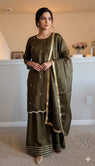
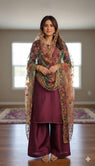
A sharara is a pair of wide-legged trousers with a flowing flare.
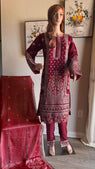
A gharara is also a trouser-based outfit, but its defining feature is the structured flare created around the knee.
Modern Pakistani fashion has introduced many variations, so individual designs may blur traditional distinctions. However, understanding the basic construction makes it much easier to identify each style and choose the right one for your occasion.
Lehenga vs Sharara vs Gharara at a Glance
A lehenga has one continuous skirt rather than separate trouser legs.
A sharara has two wide trouser legs with a smooth, flowing flare.
A gharara has trousers that are generally more fitted through the upper leg before opening into a dramatic flare around the knee.
The three styles can all be paired with a short blouse, kurti, long shirt or other Pakistani formal top depending on the design.
What Is a Pakistani Lehenga?
A lehenga is a long, flared skirt that forms one continuous lower garment.
It is usually worn with a fitted blouse or choli and a dupatta.
Lehengas can be relatively simple or heavily embellished with embroidery, sequins, zari, zardozi, stones, threadwork and other decorative techniques.
The skirt can also be constructed from multiple panels to create additional volume and movement.
Pakistani lehengas are particularly associated with formal and bridal fashion, although lighter lehengas can also be worn by wedding guests or for festive celebrations.
One of the defining characteristics of a lehenga is the amount of visual space available for embroidery and borders. A designer can create elaborate patterns across the skirt without the design being interrupted by separate trouser legs.
What Is a Pakistani Sharara?
A sharara is a two-legged garment made from wide, flared trousers.
Unlike a lehenga, it separates into two legs when you walk.
The flare can vary considerably between designs. Some shararas have a relatively controlled width, while others create an extremely dramatic, skirt-like appearance.
The smooth flow of the fabric is one of the reasons shararas are popular for festive Pakistani clothing.
They can be paired with a short kurti, peplum-style top, longer shirt or other formal Pakistani silhouettes.
Sharara sets are especially popular for Mehndi, festive celebrations and wedding events where movement and comfort are important.
What Is a Pakistani Gharara?
A gharara is another trouser-based silhouette, but its construction is different from a sharara.
A traditional gharara is generally fitted through the upper leg and then becomes dramatically wider around the knee.
The transition is often marked by a visible seam or decorative joint, sometimes highlighted with contrasting fabric, embroidery, lace or gota.
This structured transition is one of the easiest ways to distinguish a gharara from a sharara.
Ghararas have a long history in South Asian fashion and are particularly associated with traditional and formal dressing.
Modern Pakistani designers have also adapted the silhouette into contemporary versions with different lengths, fabrics and embroidery styles.
How Can You Tell a Sharara and Gharara Apart?
The easiest method is to look at the point where the dramatic flare begins.
With a traditional gharara, the trousers are more fitted above the knee and then flare dramatically from a defined knee area.
A sharara generally has a smoother, continuous flare without the distinctive gathered knee construction associated with a traditional gharara.
If you see a strong horizontal seam or decorative joint around the knee, you are likely looking at a gharara.
If the trousers flow outward without that defined knee transition, the outfit is more likely to be a sharara.
Modern designs can vary, so the terminology used by retailers is not always perfectly consistent.
Lehenga vs Sharara vs Gharara: Main Differences
The lower garment is the biggest difference.
A lehenga has a skirt.
A sharara has wide-legged trousers.
A gharara has trousers with a distinctive flared construction around the knee.
Their movement is also different.
A lehenga creates one continuous sweep of fabric.
A sharara separates into two flowing legs as you walk.
A gharara creates a more structured movement because the upper portion of the trouser is closer to the leg before the lower flare opens.
This difference becomes particularly noticeable when walking, sitting, dancing or moving around at a wedding.
Which Is More Comfortable: Lehenga, Sharara or Gharara?
Comfort depends on the fabric, embroidery, construction and fit, not just the silhouette.
A lightweight sharara can feel very easy to move in because the trousers provide two separate legs and allow freedom of movement.
A lehenga can also be comfortable when it is made from lightweight fabric and does not contain excessive layers or heavy embellishment.
A heavily embroidered lehenga can feel considerably heavier than a lightweight sharara.
A gharara can provide comfortable movement through the flared lower portion, but its more fitted upper leg can feel different from the looser construction of a sharara.
When shopping online, consider the fabric and embroidery weight as carefully as the silhouette.
Which Is Easier to Walk and Dance In?
For events involving a lot of movement, a lighter sharara can be a practical choice.
Because the outfit has separate trouser legs, walking and dancing can feel more natural than moving in an extremely heavy skirt.
A lehenga can also provide plenty of movement, particularly when the skirt is designed with enough flare.
A gharara has its own distinctive movement because the fabric expands dramatically from the knee.
The actual experience depends heavily on the garment's weight, lining, length and fit.
Which One Is More Formal?
None of the three silhouettes has one fixed formality level.
A heavily embellished sharara can be more formal than a simple lehenga.
A lightly embroidered gharara can be appropriate for a daytime event, while a heavily embellished gharara can be suitable for a major wedding function.
The fabric, embroidery, embellishment and styling generally have a greater effect on formality than the name of the silhouette alone.
However, lehengas are particularly common in bridal and highly formal Pakistani fashion, while shararas and ghararas offer additional options for wedding guests and other festive occasions.
Lehenga vs Sharara for Pakistani Weddings
A lehenga can work beautifully for a Barat, Walima, reception or other formal wedding event.
Its large skirt provides plenty of room for embroidery and can create a dramatic appearance in photographs.
A sharara can be particularly useful for Mehndi and other festive functions because the trouser construction allows easy movement.
However, either style can work for different wedding events depending on its design.
The wedding invitation, dress code and the level of embellishment should determine the final choice.
If you are attending rather than getting married, our guide to what to wear to a Pakistani wedding in the USA provides event-specific guidance for Mehndi, Nikah, Barat and Walima.
Gharara vs Sharara for Mehndi
Both can work for a Mehndi.
A sharara can be particularly practical when you expect a lot of movement, dancing or outdoor activity.
A lighter gharara can create a more traditional appearance while still providing significant volume through the lower portion.
Bright colors, colorful embroidery, gota details and statement dupattas can complement the festive atmosphere of a Mehndi.
The choice ultimately comes down to the wedding's dress code and your preferred silhouette.
Which Is Better for Nikah: Lehenga, Sharara or Gharara?
All three can be styled appropriately for a Nikah.
A softer sharara or gharara with elegant embroidery can create a refined traditional look.
A simpler lehenga can also work beautifully, particularly for a formal Nikah celebration.
For a religious ceremony, consider the venue's expectations regarding coverage and styling.
A longer shirt, appropriate dupatta styling and elegant embroidery can create a sophisticated appearance without making the outfit overly dramatic.
Which Is Better for a Walima?
Walima outfits can range from traditional Pakistani formalwear to modern fusion styles.
A sophisticated lehenga can create a glamorous appearance, while a formal sharara can provide a more fluid silhouette.
A structured gharara can give the outfit a traditional and distinctive character.
For an evening Walima, jewel tones, metallic detailing and refined embroidery can work well.
For a daytime Walima, lighter fabrics and softer colors may be more comfortable and appropriate.
Which Is Better for a Wedding Guest?
Wedding guests have a particularly wide range of options.
A guest does not need the most heavily embellished version of any silhouette.
A lightly or moderately embroidered sharara, gharara or lehenga can create a formal appearance without looking like bridalwear.
For a Mehndi, a colorful sharara or gharara can work well.
For a Nikah, a refined gharara, sharara or lighter lehenga can be appropriate.
For a Barat, a more formal lehenga or heavily embroidered sharara can work depending on the dress code.
For a Walima, any of the three can work when styled in a polished and sophisticated way.
Which Silhouette Is Best for Different Body Types?
There is no universal body-type rule for lehengas, shararas or ghararas.
A lehenga can create a defined waist and flowing lower silhouette.
A sharara creates two vertical trouser legs and can produce a long, fluid appearance.
A gharara creates more visual structure around the knee and lower leg.
The result also depends on the length of the top, waist placement, fabric, embroidery and overall fit.
Instead of choosing based only on a body-shape label, consider which proportions and silhouette you personally prefer.
Our guide to Pakistani dresses for different body types covers how shirt length, neckline, trousers, fabric and silhouette can affect the overall appearance.
Lehenga for Petite Women
Petite women can wear lehengas beautifully.
The most important consideration is proportion.
A skirt with excessive volume or a very long blouse can overwhelm a smaller frame, while a carefully proportioned lehenga can create an elegant elongated appearance.
A coordinated color palette can also create visual continuity.
The waistband and blouse length should be considered together with the skirt so the overall proportions remain balanced.
Sharara for Petite Women
A sharara can work particularly well when the shirt length does not completely hide the trouser flare.
A shorter or carefully proportioned shirt can allow the legs of the sharara to remain visible and create a longer visual line.
Very heavy fabric or excessive volume can overwhelm a petite frame, so lighter construction can be worth considering.
Gharara for Different Body Types
Ghararas create a distinctive structured silhouette because of the fitted upper leg and dramatic flare.
If you like defined shapes and statement proportions, this can be an appealing option.
The placement of the knee seam and the width of the flare can change the overall appearance considerably.
This is another reason to look at the actual garment photographs and measurements rather than relying only on the style name.
Which Is Easier to Sit In?
The answer depends on the construction.
A wide sharara can provide considerable room for movement and can be comfortable when sitting.
A lehenga provides a continuous skirt, so the amount of fabric and the weight of the layers matter.
A gharara can be comfortable through the flared section but may feel more structured around the upper leg.
If you are attending a wedding that lasts several hours, consider comfort alongside appearance.
A beautiful outfit that restricts movement can become difficult to wear during a long celebration.
Which Is Better for Hot Weather?
For summer weddings and outdoor celebrations, lightweight construction is particularly important.
A lightweight sharara in chiffon, georgette or another breathable fabric can provide movement without the weight of a heavily layered skirt.
A lightweight lehenga can also work well when it does not contain excessive lining or heavy embellishment.
A gharara made from a lighter fabric can be comfortable as well.
The fabric and construction matter more than the style name.
How Embroidery Changes Each Silhouette
The same embroidery design can look completely different depending on where it is placed.
A lehenga provides a large continuous surface for borders, panels and all-over embroidery.
A sharara can use embroidery along the trouser legs, hems and connecting panels.
A gharara can highlight the knee joint with decorative borders or contrasting fabric.
The dupatta can also carry significant embroidery and may become the main focal point of a relatively simple outfit.
When shopping online, look carefully at the product images to understand where the embroidery is actually positioned.
What Fabrics Work Best for Lehenga, Sharara and Gharara?
Lehengas can be made from a wide range of fabrics, including silk, raw silk, velvet, organza, net and other formal textiles.
Sharara sets are often made using flowing fabrics such as chiffon, organza and georgette, although structured fabrics can also be used.
Ghararas can use silk, raw silk, organza, jamawar and other fabrics depending on the desired level of structure.
There is no single correct fabric for each silhouette.
The fabric should be selected according to the season, venue, desired movement and level of formality.
How to Choose Between Lehenga, Sharara and Gharara
Start with the event.
If you want a skirt-based silhouette with maximum surface area for embroidery, consider a lehenga.
If you want wide-legged trousers with flowing movement, consider a sharara.
If you want a more structured trouser silhouette with a distinctive flare around the knee, consider a gharara.
Then consider the venue, weather and amount of movement expected.
Finally, consider the weight of the embroidery and whether you will be wearing the outfit for several hours.
This makes the decision much easier than choosing based purely on photographs.
Ready-to-Wear or Custom-Stitched?
All three silhouettes can be available as ready-to-wear or custom-stitched clothing.
Ready-to-wear can be convenient when your event is approaching and you want an outfit that is already constructed.
Custom stitching can provide more control over waist, length, sleeve and proportion.
This can be particularly useful with lehengas, shararas and ghararas because the relationship between the top and bottom proportions affects the finished appearance.
Our Ready-to-Wear vs Custom-Stitched Pakistani Dresses guide explains the practical differences between the two options.
How to Check the Fit When Shopping Online
Do not choose a lehenga, sharara or gharara based only on your usual US clothing size.
Check the retailer's specific measurements for the top, waist, hips, trouser or skirt length and other relevant dimensions.
This is particularly important because Pakistani formalwear can use different sizing systems across brands.
For a detailed explanation, read our guide to choosing the right size for Pakistani clothes online in the USA.
Can You Wear a Sharara or Gharara Instead of a Lehenga?
Yes.
A sharara or gharara can provide a formal alternative to a lehenga while giving the outfit a different silhouette.
This can be particularly useful if you prefer trousers over skirts or want more freedom of movement.
The final appearance depends on the embroidery, fabric, shirt, dupatta and styling.
A heavily embellished sharara can be every bit as formal as a lehenga.
Likewise, a simple gharara can be styled for a more understated event.
How to Style a Lehenga
A lehenga is commonly paired with a fitted blouse or choli and dupatta.
For a more traditional appearance, the dupatta can be draped across the shoulder or arranged over the head when appropriate.
For a modern look, the dupatta can be styled over one shoulder or arranged more loosely.
Jewelry should complement the embroidery rather than compete with it.
If the lehenga already has extensive embellishment, a more restrained jewelry combination can keep the overall look balanced.
How to Style a Sharara
Sharara sets can be styled with a short kurti, peplum-style top or longer formal shirt.
A statement dupatta can add drama to a relatively simple sharara.
For Mehndi events, colorful jewelry and playful accessories can complement the festive silhouette.
For a formal evening event, metallic details, sophisticated jewelry and an embellished dupatta can create a more polished appearance.
How to Style a Gharara
Ghararas are particularly effective when the distinctive knee flare remains visible.
For this reason, many traditional designs use shorter or medium-length shirts.
The dupatta can be draped over one shoulder or arranged traditionally depending on the event.
Because the lower half already has a dramatic shape, a balanced top can help keep the outfit visually cohesive.
Lehenga vs Sharara vs Gharara: Which One Should You Choose?
There is no universal winner among these three silhouettes.
Choose a lehenga if you prefer a skirt-based outfit with a dramatic continuous flare.
Choose a sharara if you prefer wide-legged trousers and fluid movement.
Choose a gharara if you like a more structured trouser silhouette with a distinctive knee flare.
The right choice depends on your event, comfort, preferred proportions, fabric, embroidery and personal style.
Understanding the construction gives you the information you need to make that choice confidently.
Frequently Asked Questions
Is a sharara the same as a gharara?
No. Both are trouser-based silhouettes, but their construction is different. A traditional gharara has a distinctive flare beginning around the knee, often marked by a visible seam or decorative joint. A sharara generally has a smoother, continuous flare.
Is a lehenga a skirt or pants?
A lehenga is a skirt. It forms one continuous lower garment rather than two separate trouser legs.
Which is more comfortable, a sharara or lehenga?
Comfort depends on the fabric, fit, embroidery and construction. A lightweight sharara can provide considerable freedom of movement, while a lightweight lehenga can also be comfortable. Heavy embroidery can make either style more difficult to wear for long periods.
Can I wear a gharara to a Mehndi?
Yes. Ghararas can work beautifully for Mehndi, particularly when made in lighter fabrics and festive colors.
Can I wear a sharara to a Barat?
Yes. A heavily embellished sharara can be appropriate for a formal Barat. The overall level of embroidery and styling should match the event's dress code.
Which is more traditional, gharara or sharara?
Both have long histories in South Asian fashion. Their construction and historical development differ, and modern Pakistani fashion includes many variations of both silhouettes.
Is a lehenga only for brides?
No. Lehengas are available in bridal, formal and lighter festive designs. Wedding guests can wear appropriately styled lehengas that are distinct from bridal clothing.
Which is best for a summer Pakistani wedding?
A lightweight version of any of the three can work. Shararas can be particularly practical when movement and airflow are priorities, but fabric weight and construction matter more than the silhouette name.
Which is best for a Pakistani wedding guest?
Any of the three can work. Choose according to the wedding event, dress code, level of embellishment and your preferred comfort and silhouette.
How do I know whether an outfit is a sharara or gharara when shopping online?
Look at the trousers around the knee. A distinct seam or structured transition where the flare begins is a traditional gharara feature. A smoother continuous flare is more characteristic of a sharara.
Final Thoughts
Lehenga, sharara and gharara may look similar at first glance, but their construction creates noticeably different silhouettes.
A lehenga is a skirt with a continuous flared shape. A sharara is made from wide-legged trousers with a flowing flare. A gharara uses a more structured trouser construction with a distinctive flare around the knee.
Once you understand those differences, choosing between them becomes much easier.
Think about the event, how much you will move, the weather, the fabric, the amount of embroidery and the level of formality you want.
Most importantly, do not choose a silhouette simply because it is currently popular. Choose the construction that gives you the appearance, comfort and movement you want.