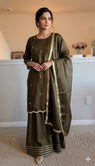
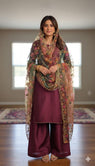
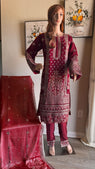
2-Piece vs 3-Piece Pakistani Suits: What's the Difference?

When shopping for Pakistani clothing, you will often see outfits described as 2-piece or 3-piece suits. At first glance, the difference seems simple: one has two pieces, while the other has three. But knowing what that means for your wardrobe, styling options and budget can help you make a much better buying decision.
A 2-piece Pakistani suit often includes a shirt or kameez and a pair of trousers or shalwar. A 3-piece suit typically adds a dupatta. However, product descriptions can vary, so it is important to check exactly what is included rather than relying on the name alone.
Neither option is automatically better. A 2-piece outfit can be versatile and complete in its own right, while a 3-piece outfit offers an additional styling layer. The right choice depends on the design, your preferences, the occasion and how you intend to wear it.
In this guide, we explain the differences between 2-piece and 3-piece Pakistani suits, what to check before ordering online, and how to decide which option makes the most sense for you.
Quick Answer: Is a 2-Piece or 3-Piece Pakistani Suit Better?
A 2-piece Pakistani suit is often a good choice if you prefer a simpler outfit, already own dupattas that coordinate with your clothes, or want fewer separate pieces to manage.
A 3-piece Pakistani suit is often a better fit if you want a coordinated shirt, bottom and dupatta together, prefer traditional dupatta styling, or want an outfit that is ready to accessorize as a complete set.
The most important difference is what the outfit includes, not how formal or expensive it is. A beautifully embroidered 2-piece suit can be suitable for a celebration, while a simple 3-piece suit can work perfectly well for everyday wear.
Always check the individual product description to confirm the included pieces, fabric, stitching status and size information.
1. What Is a 2-Piece Pakistani Suit?
A 2-piece Pakistani suit commonly consists of two clothing components:
- A shirt, kameez or kurta.
- A bottom, such as trousers, shalwar or another coordinated style.
The exact combination depends on the product. Some outfits may use a different construction or describe their pieces differently, so the listing should always confirm what you will receive.
Why choose a 2-piece suit?
One advantage is simplicity. You have fewer pieces to coordinate, which can make getting dressed easier.
A 2-piece suit can also work well when you already own dupattas in complementary colors or fabrics. You can use an existing dupatta to create a different look without purchasing another one with every outfit.
For example, a plain shirt and trouser set can look different when paired with a contrasting dupatta, a lightweight printed scarf or a more decorative accessory. The result depends on the garment's design and the pieces you already own.
When does a 2-piece suit make sense?
Consider a 2-piece suit when:
- You want a straightforward outfit for regular wear.
- You already have accessories or dupattas you enjoy styling.
- You prefer a less layered look.
- You want to mix and match pieces across your wardrobe.
- You find a particular design appealing and do not need an included dupatta.
A 2-piece suit is not limited to casual wear. Its fabric, embroidery, silhouette and overall construction matter much more than the number of pieces when deciding whether it suits a formal occasion.
2. What Is a 3-Piece Pakistani Suit?
A 3-piece Pakistani suit commonly includes:
- A shirt or kameez.
- A bottom, such as trousers or shalwar.
- A dupatta.
The dupatta adds another styling element and can change the overall appearance of the outfit. Depending on the design, it may feature a matching print, embroidered borders, contrasting colors, decorative details or a lightweight fabric that adds movement.
Why choose a 3-piece suit?
A coordinated set can make outfit planning easier because the main clothing pieces have been selected to work together.
This can be particularly helpful when you are shopping online and want a complete look without separately searching for a suitable dupatta.
A 3-piece suit also gives you more options for styling. You can drape the dupatta over one shoulder, arrange it across both shoulders or choose another style that suits the garment and occasion.
When does a 3-piece suit make sense?
Consider a 3-piece suit when:
- You want the dupatta included in the purchase.
- You prefer a coordinated outfit.
- The dupatta is an important part of the design.
- You enjoy experimenting with different draping styles.
- You want fewer decisions when putting an outfit together.
Remember that a third piece does not automatically mean heavier embroidery, better fabric or higher quality. Those characteristics depend on the actual garment.
3. 2-Piece vs 3-Piece Pakistani Suits: Key Differences
| Feature | 2-Piece Suit | 3-Piece Suit |
|---|---|---|
| Typical contents | Shirt and bottom | Shirt, bottom and dupatta |
| Dupatta included | Usually not, unless specified | Usually included |
| Styling | Simple or mix-and-match | Coordinated, with additional draping options |
| Wardrobe flexibility | Useful when pairing with existing accessories | Convenient when you want the included pieces together |
| Best use | Depends on fabric, cut and design | Depends on fabric, cut and design |
| Price | May cost less, but not always | May cost more, but not always |
| Maintenance | Depends on the garments included | Depends on all three pieces and their care needs |
| Shopping priority | Check whether a dupatta is needed separately | Check the dupatta fabric and design as well as the shirt and bottom |
This comparison describes typical arrangements, not universal rules. Some product listings use different combinations, so confirm the contents of the specific outfit before ordering.
4. Which Is Better for Everyday Wear?
For everyday wear, the most useful choice is the outfit you feel comfortable wearing and can maintain without unnecessary effort.
A 2-piece suit may appeal to you if you prefer a simple routine, have a collection of dupattas already, or like combining your shirt and trousers with different accessories.
A 3-piece suit can be just as practical. You may prefer having a coordinated dupatta available for work, family visits, lunches or other everyday activities.
Instead of deciding based on the piece count alone, consider:
- How comfortable the fabric feels.
- Whether the cut suits your daily activities.
- How easily the outfit can be cared for.
- Whether you like wearing a dupatta.
- How frequently you expect to use the outfit.
For more information about traditional silhouettes and their versatility, read our guide to the Salwar Kameez: The Timeless Pakistani Outfit.
5. Which Is Better for Parties, Eid and Weddings?
Both 2-piece and 3-piece Pakistani suits can work for special occasions. The right choice depends on the outfit itself and the expectations of the event.
For Eid
A 2-piece suit may be ideal if you enjoy a simpler look or want to style the shirt and trousers with a dupatta you already own.
A 3-piece suit may be convenient if you want the main components coordinated from the beginning.
For either option, consider the fabric, embroidery, comfort and how long you will be wearing the outfit.
For parties and dinners
A 2-piece outfit with distinctive embroidery or an elegant silhouette can look polished without an included dupatta.
A 3-piece outfit may offer more variety if the dupatta has a decorative border or adds contrast to the shirt.
Neither format guarantees a more formal appearance. A well-designed outfit with suitable fabric and finishing can look appropriate for an event regardless of its piece count.
For weddings
The wedding's dress code, your role at the event and the outfit's design are more important than whether it contains two or three pieces.
A formal 2-piece suit may be suitable for a guest, depending on the event. A 3-piece suit can provide a coordinated look, especially when the dupatta is an important part of the design.
For more detailed guidance on wedding silhouettes and outfit choices, explore our Pakistani Wedding Dresses Guide: Lehenga, Sharara & Maxi Styles.
6. Does a 3-Piece Pakistani Suit Always Cost More?
Not necessarily.
A 3-piece suit includes an additional component, but its price depends on more than the number of pieces. Fabric, embroidery, embellishments, brand, craftsmanship, stitching and the overall design can all affect the cost.
A simple 3-piece outfit may cost less than a highly embellished 2-piece designer outfit.
When comparing prices, ask yourself what you are actually receiving.
For example, compare two outfits with similar fabric quality, design complexity and stitching status. Check whether the first includes a dupatta and whether the second requires you to purchase one separately.
If you already own a suitable dupatta, a 2-piece outfit may offer better value for your needs. If you would otherwise need to purchase a matching dupatta, a 3-piece set could be more convenient.
The best value is the outfit that meets your requirements at a price you are comfortable paying.
7. What Should You Check Before Buying a 2-Piece or 3-Piece Suit Online?
Product photos can make an outfit look complete, but the images may include accessories that are not part of the purchase. Before placing an order, read the product description carefully.
Check the number of pieces
Confirm whether the product includes the shirt, bottom and dupatta. If the listing says 2-piece, do not assume a dupatta is included just because the model is wearing one in the photograph.
Check the fabric of each component
The shirt, trousers and dupatta may use different fabrics. A listing should ideally specify the material used for each piece when they differ.
If you want to understand the characteristics of lawn, cotton, chiffon, silk, velvet and other commonly used materials, see our Pakistani Clothing Fabrics Explained guide.
Check whether the outfit is stitched
The number of pieces does not tell you whether the outfit is ready-to-wear or unstitched.
Some products are supplied as finished garments, while others require tailoring. Confirm the stitching status, available sizes, measurement information and expected processing time before purchasing.
Our guide to Ready-to-Wear vs Custom-Stitched Pakistani Dresses explains the main differences.
Check the actual price and value
Compare similar products rather than comparing only their piece counts.
Consider the fabric, included components, stitching, embroidery, brand and any additional costs. A lower-priced outfit is not necessarily better value if you need to buy missing components or arrange extra tailoring.
Check delivery and return information
If you need the outfit for a particular event, check the product's stated processing and delivery estimates before ordering. Also read the retailer's current return policy and any restrictions that apply to made-to-order or custom-stitched clothing.
These details are particularly important when shopping online from the USA.
8. How to Choose Between 2-Piece and 3-Piece Suits for Your Wardrobe
A useful way to decide is to think about the outfits you already own and how you expect to wear a new purchase.
Choose a 2-piece suit if you:
- Prefer simple, coordinated clothing without an included dupatta.
- Already have accessories that work with the design.
- Want to mix and match the pieces with other wardrobe items.
- Have found a design that meets your needs without requiring a third piece.
Choose a 3-piece suit if you:
- Want the shirt, bottom and dupatta together.
- Prefer a coordinated outfit with less separate styling.
- Like using different dupatta draping techniques.
- Want the included dupatta to contribute to the design.
If you enjoy both approaches, there is no reason to choose only one. A wardrobe with a mixture of 2-piece and 3-piece outfits gives you flexibility for different days, occasions and styling preferences.
9. How Pakistani Clothing Brands Differ in Their Suit Designs
Different Pakistani fashion brands approach prints, embroidery, fabrics, silhouettes and seasonal collections in their own ways. Even within the same brand, one collection may emphasize everyday comfort while another focuses on formalwear.
When comparing brands, do not rely on the number of pieces alone. Examine the actual design, material, construction and product details.
If you are exploring designers or trying to decide which labels to research, our guide to the Top 10 Pakistani Clothing Brands in USA is a useful starting point.
Use it to discover brands, then compare individual products to determine which outfit best meets your preferences, budget and needs.
Frequently Asked Questions
What is the difference between a 2-piece and 3-piece Pakistani suit?
A typical 2-piece Pakistani suit includes a shirt and bottom, while a typical 3-piece suit adds a dupatta. Always check the product description because the exact contents can vary.
Is a 2-piece Pakistani suit better than a 3-piece suit?
Neither is universally better. A 2-piece suit can be convenient if you prefer a simpler outfit or already own suitable dupattas. A 3-piece suit can be more convenient if you want the main components coordinated together.
Does every 3-piece Pakistani suit include a dupatta?
Most traditional 3-piece Pakistani suits include a shirt, bottom and dupatta. However, you should verify the included pieces in the specific product description before ordering.
Can I wear a 2-piece Pakistani suit to a wedding?
Yes, depending on the event and the design. An embroidered or formal 2-piece outfit may be appropriate for some wedding functions. Consider the dress code, fabric, embellishments and your role at the event.
Are 3-piece Pakistani suits more expensive?
Not always. Prices depend on fabric, embroidery, brand, craftsmanship, stitching and the pieces included. Compare similar products to understand the actual value.
Is a 2-piece suit easier to maintain?
It may involve fewer separate garments, but maintenance depends on the fabric and construction. A simple 3-piece suit may be easier to care for than a delicate or heavily embellished 2-piece outfit.
Are 2-piece and 3-piece Pakistani suits available ready-to-wear?
Both formats can be available ready-to-wear or unstitched, depending on the collection. Check the individual product description for stitching status, sizes and processing details.
What should I check before ordering a Pakistani suit online?
Confirm the included pieces, fabric, stitching status, measurements, price, delivery estimate and return conditions. Do not assume that every accessory shown in a product photo is included.
Final Thoughts
Choosing between a 2-piece and 3-piece Pakistani suit comes down to what you need from the outfit.
A 2-piece suit can offer simplicity and flexibility, especially when you already have accessories to pair with it. A 3-piece suit can provide a coordinated look and the convenience of an included dupatta.
Neither option is automatically more formal, more comfortable or better value. The design, fabric, construction and intended use matter more than the piece count alone.
Take a moment to check what is included, how the outfit is made and whether it suits your wardrobe before ordering. When you compare those details carefully, you can choose clothing that works for your life rather than buying based on a label alone.
At Mahaba Studio, our goal is to help you make informed choices when exploring Pakistani clothing. Whether you prefer a simple two-piece set or a coordinated three-piece outfit, the best choice is the one that fits your preferences, occasion and budget.